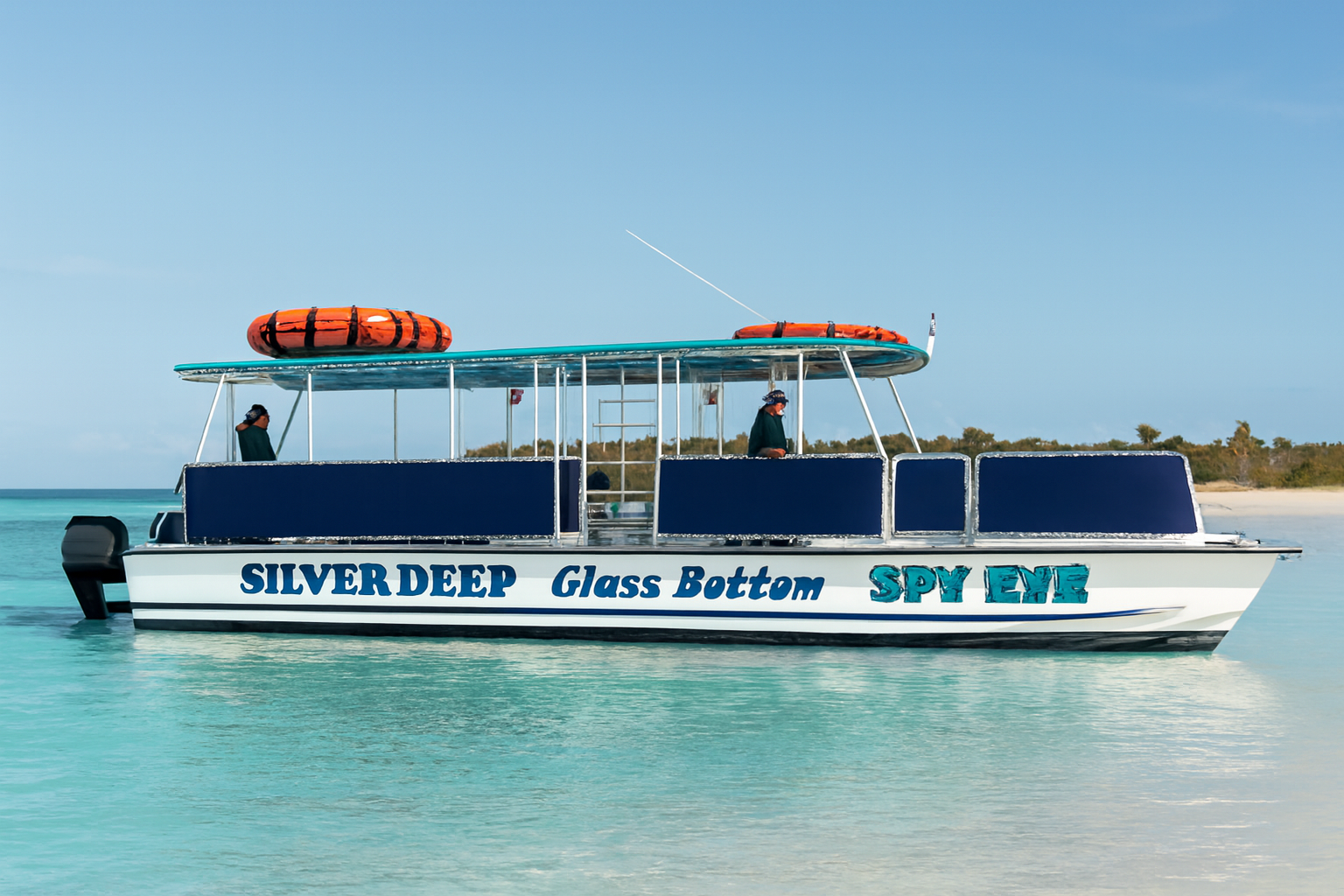
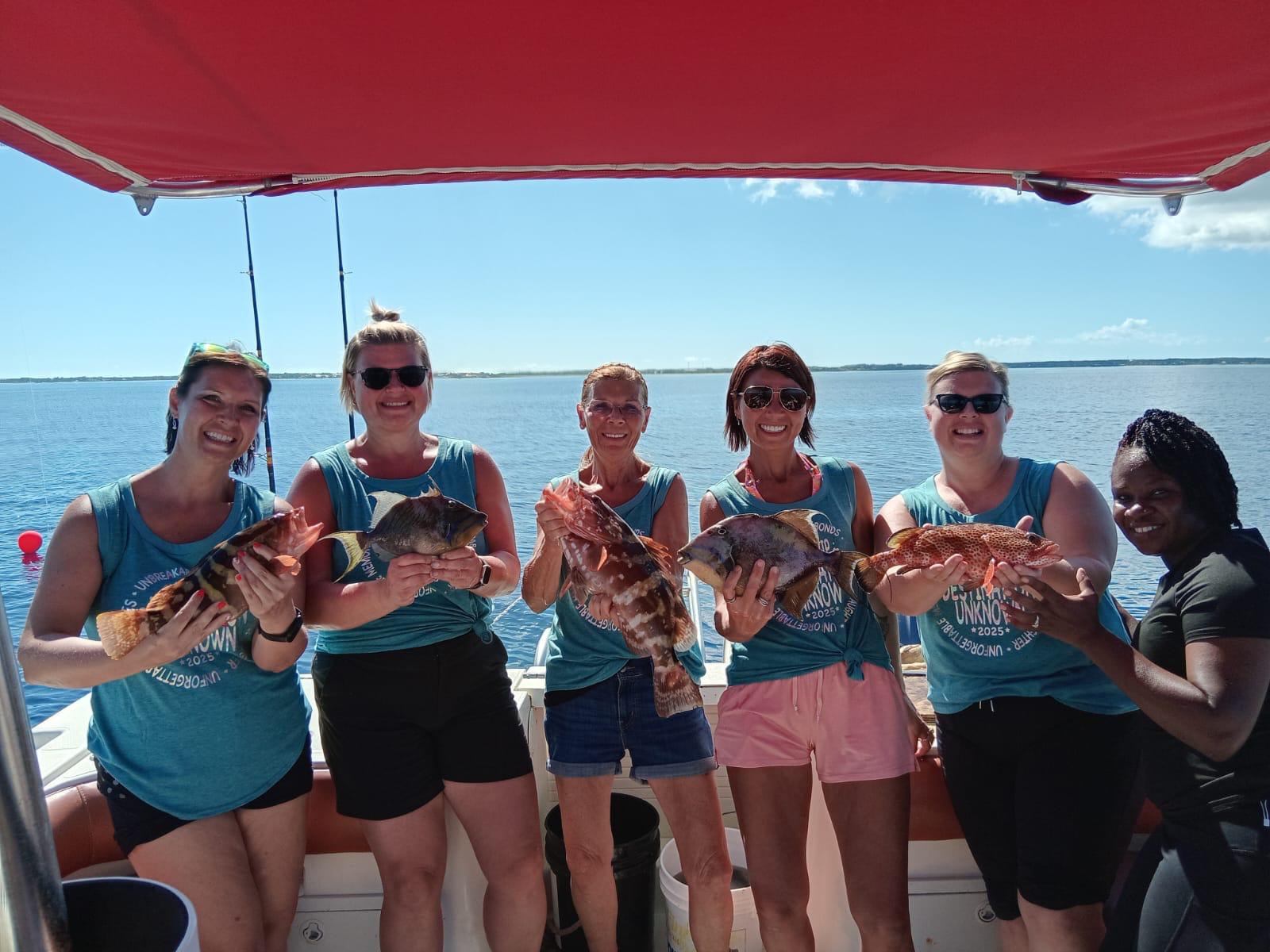
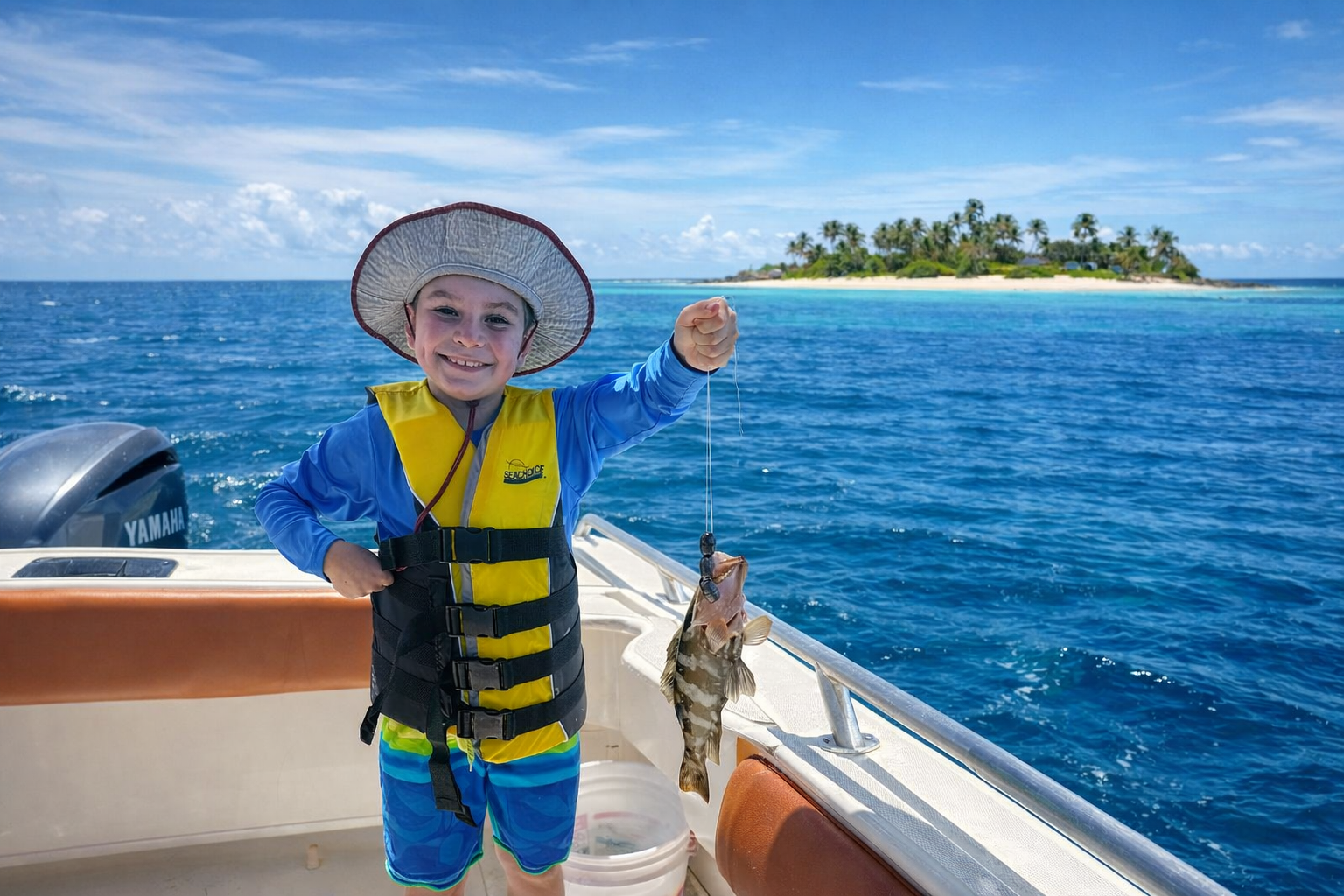
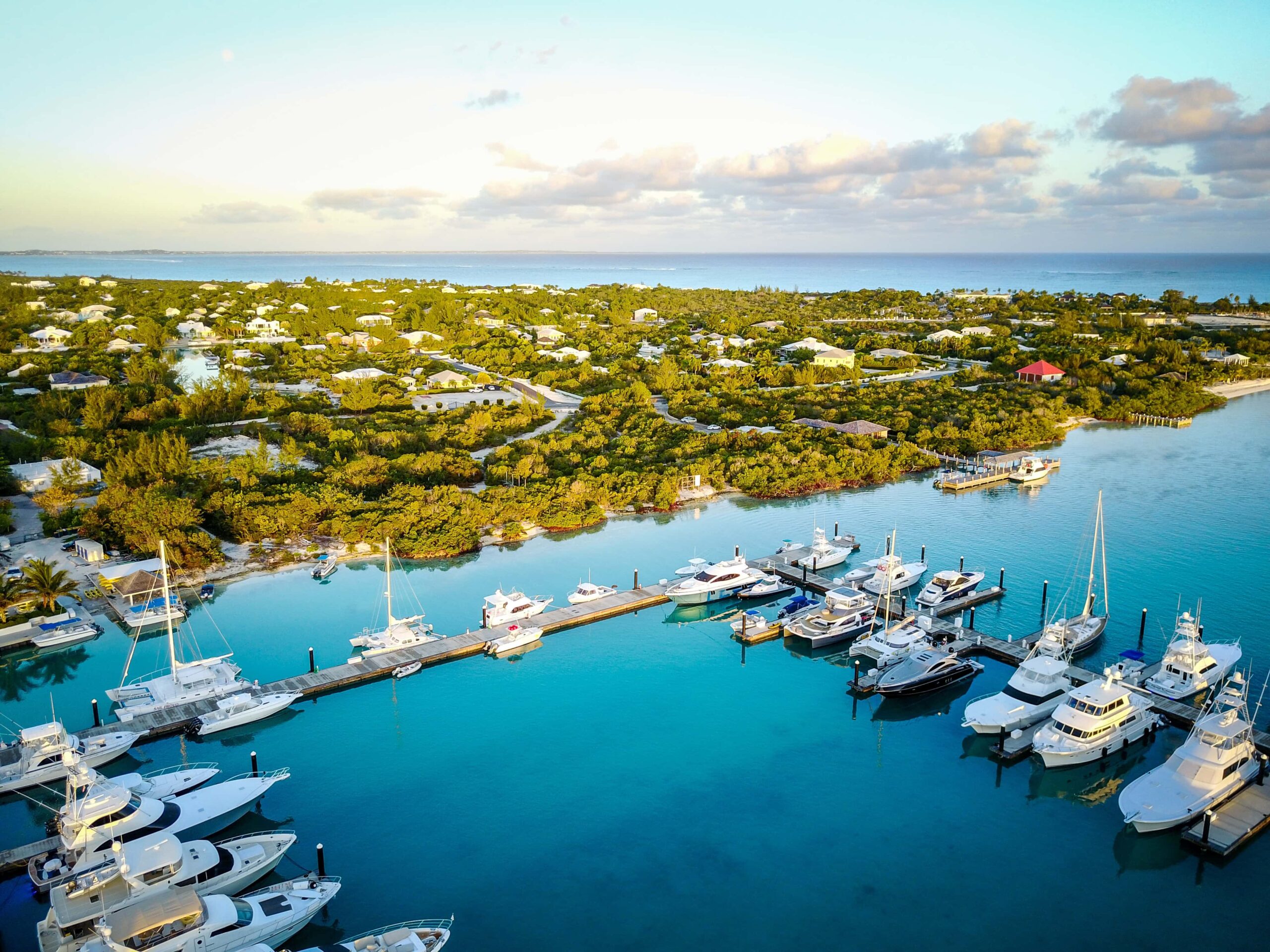
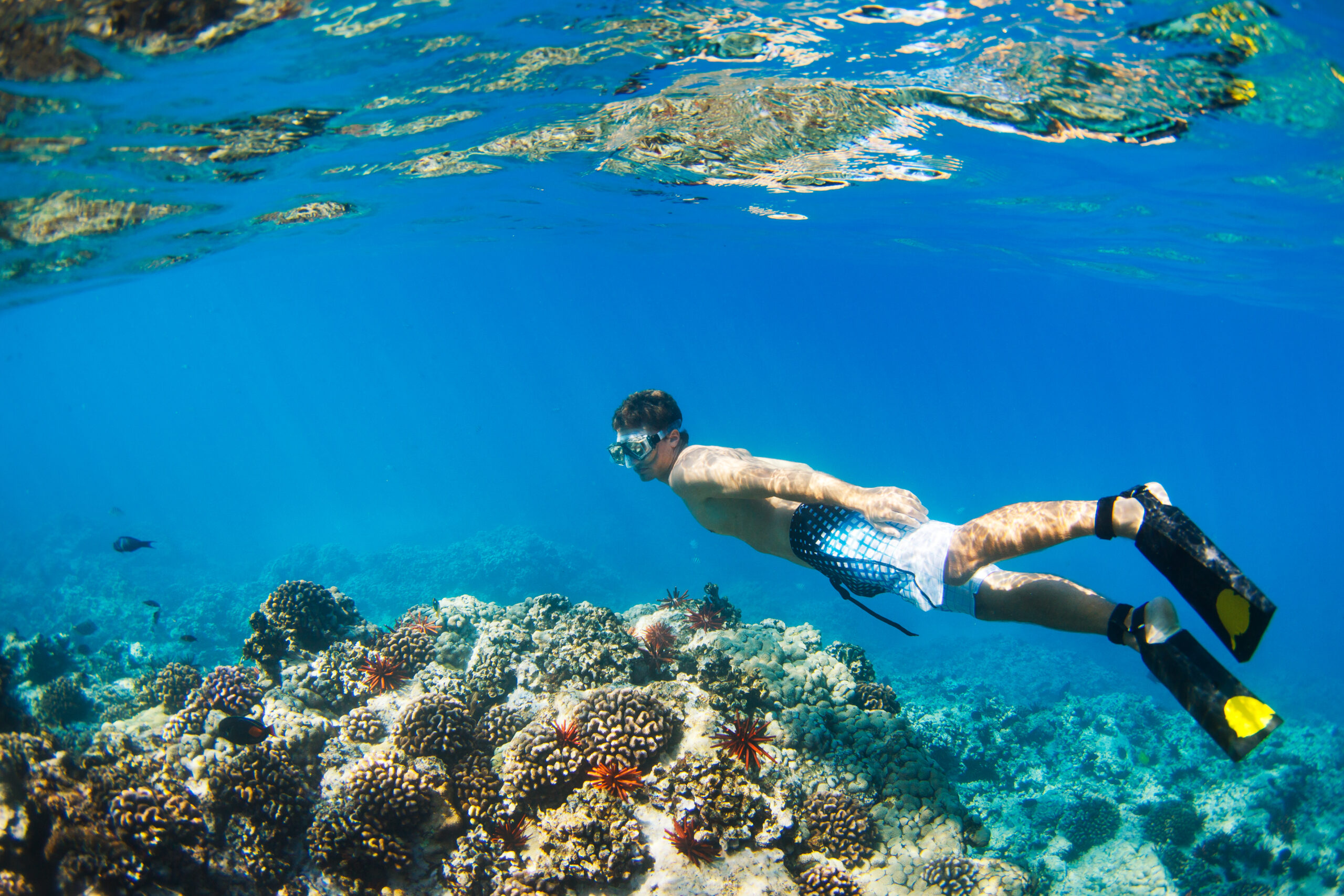
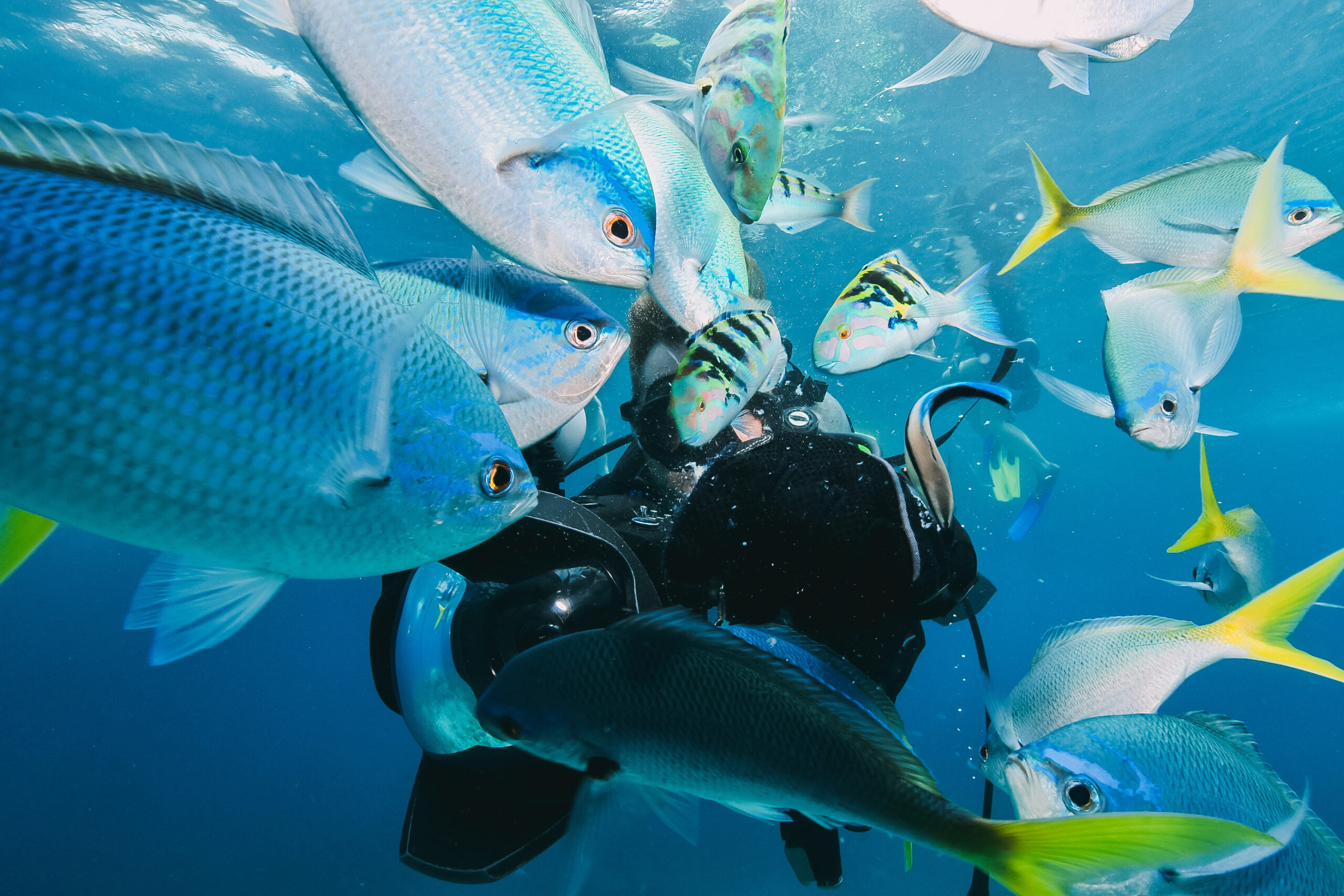
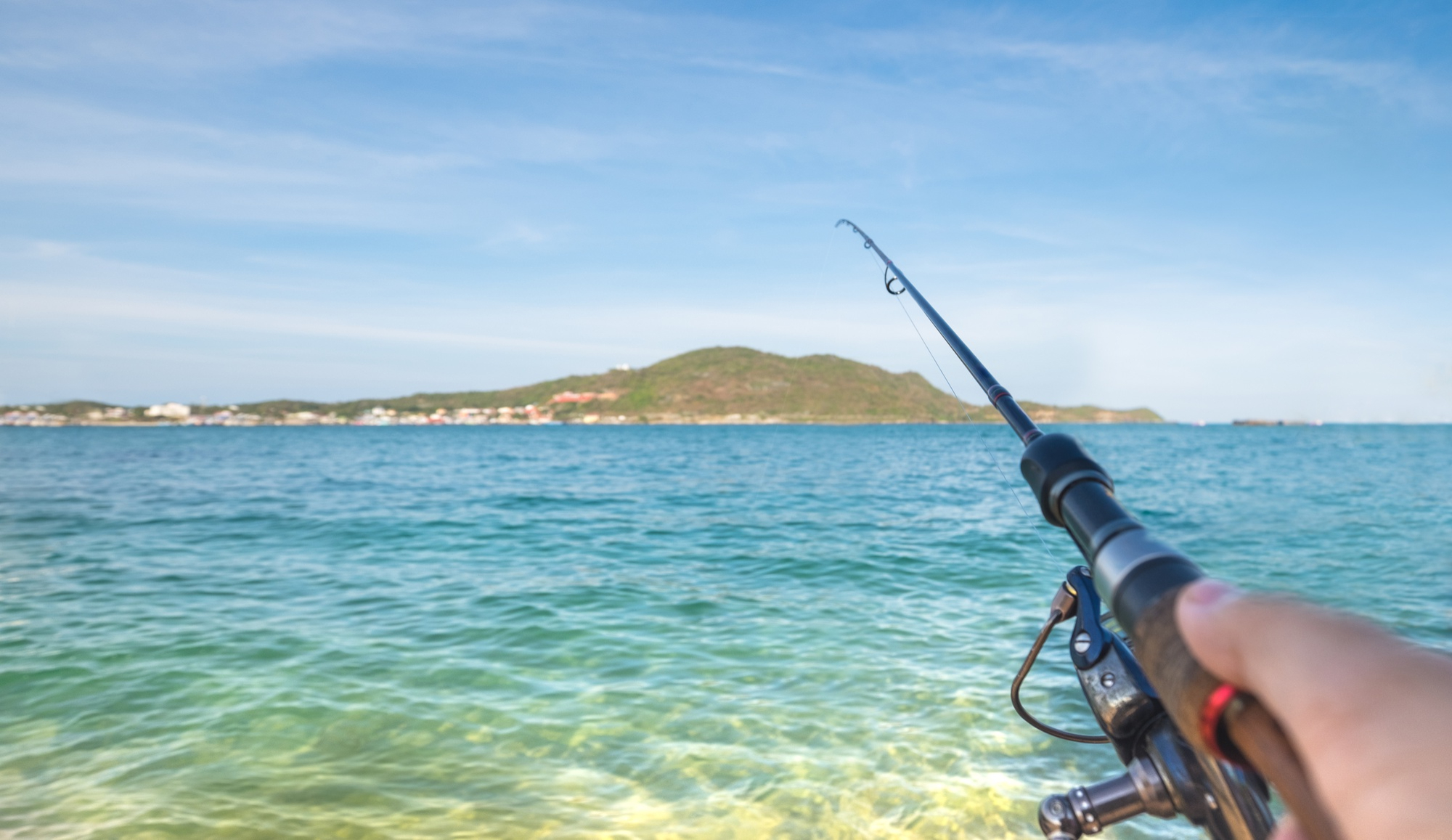
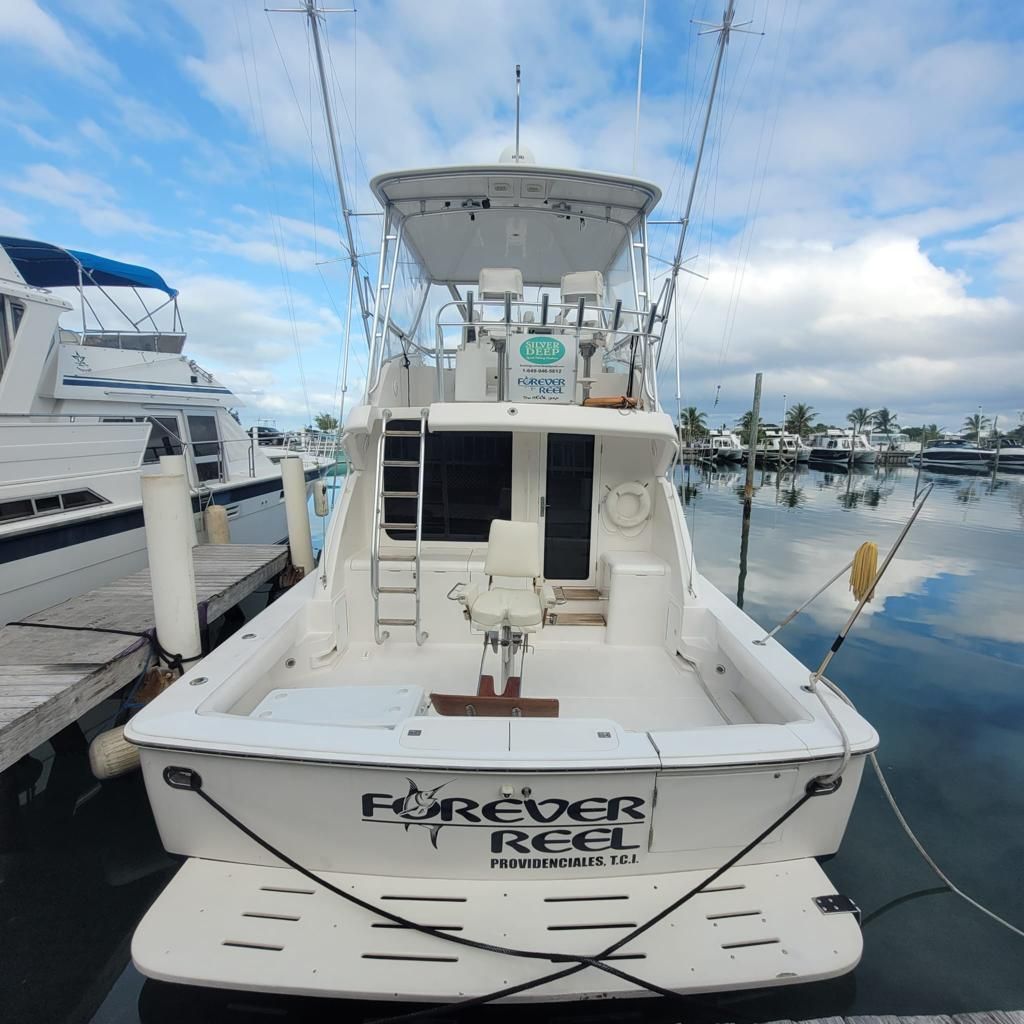
If you’re planning a fishing adventure with Silver Deep Fishing in the stunning waters around Turks and Caicos, you’re in for an extraordinary experience. The islands sit where crystal-clear Caribbean shallows meet deep ocean drop-offs just minutes offshore, creating a rich and diverse marine ecosystem that supports an incredible variety of sport and game fish species.
Whether you’re a first-time angler or a seasoned offshore fisherman, Silver Deep Fishing charters take you to prime fishing grounds where you can target trophy fish like wahoo, mahi-mahi, tuna, snapper, marlin, and pelagic species. This guide walks you through what you can expect to catch — from seasons and sizes to feeding habits and popular techniques — so you can make the most of your day on the water.
🐟 Wahoo — The Speed Demon of the Deep (January–April)
Arguably one of the most exciting and sought-after species by visiting anglers, wahoo are known for their explosive speed and ferocious runs. Locals and tournament fishermen alike target wahoo during the early part of the year, especially around January through April, with peak action often centered on February’s wahoo tournaments
What They Are
Wahoo (Acanthocybium solandri) are pelagic fish — meaning they live in the open ocean rather than near the reef — and are prized for their streamlined, torpedo-shaped bodies. This shape allows them to reach speeds of up to 50 mph (80 km/h) or more, making them one of the fastest fish in the sea.
Size & Behavior
- Average catches in Turks and Caicos often weigh 70–130 lbs, with world-class specimens sometimes exceeding that range
- Wahoo are opportunistic predators that feed on smaller schooling fish like flying fish, squid, and mackerel.
- They are typically found around structure such as wrecks, reefs, and underwater drop-offs where prey congregates
Fishing Techniques
Wahoo are most often caught by trolling high-speed lures or rigged baits. They strike fast and hard, so anglers use wire leaders and robust tackle to handle their blunt force and sharp teeth. Techniques include:
- Strip baits and artificial lures
- Live baiting
- Kite fishing — where live bait is suspended from a kite on the surface to entice aggressive strikes
Every battle with a wahoo is thrilling — expect high-speed runs, blistering line picks, and a heart-pounding fight that rewards anglers with a delicious, firm-fleshed fish perfect for the grill.
🐬 Mahi-Mahi (Dorado) — Bright Colors & High-Flying Action (February–July)
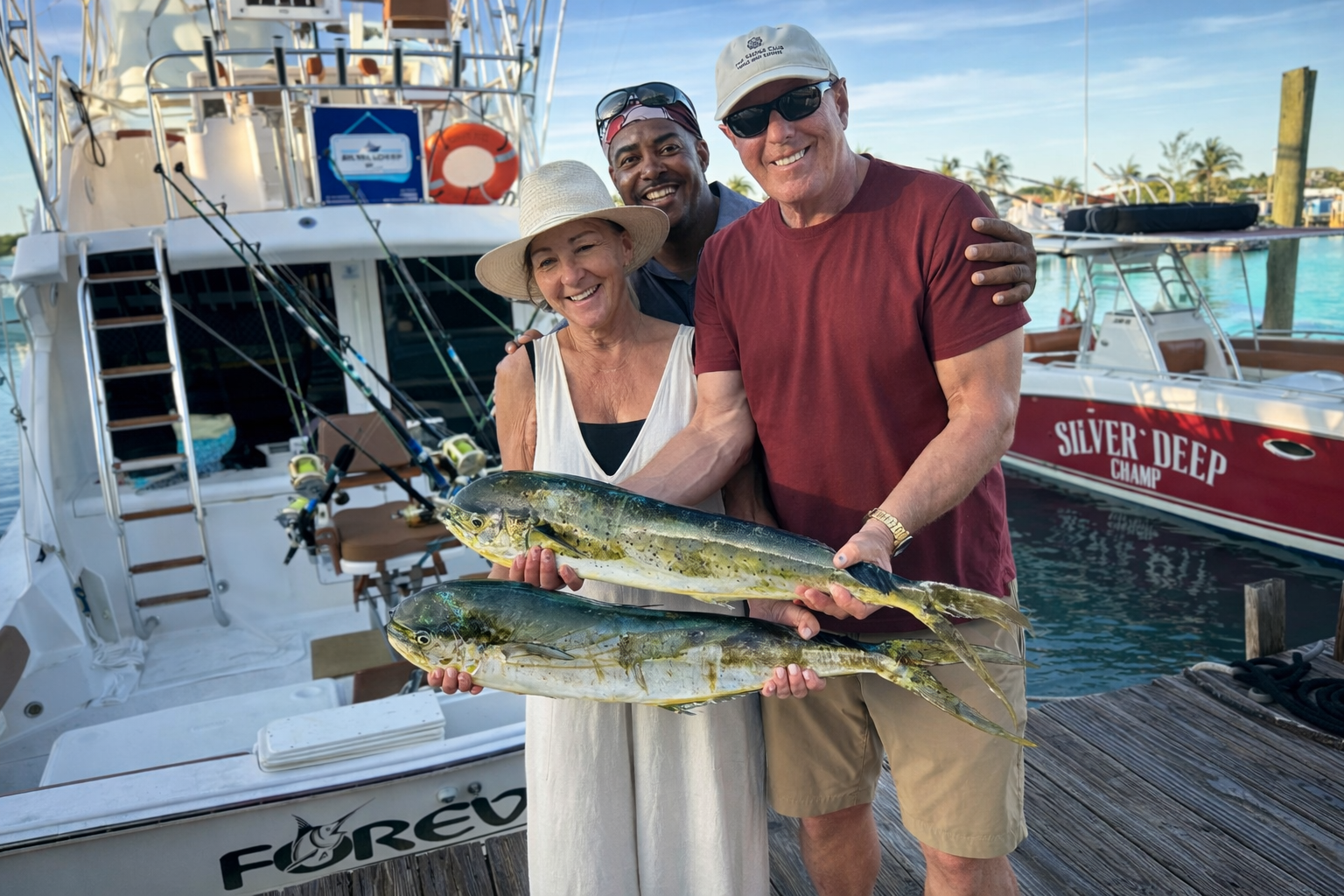
In the warm Caribbean waters of Turks and Caicos, mahi-mahi (also called dorado or dolphinfish) are among the most colorful and energetic sportfish you can catch. These fish light up the ocean with vibrant blues, greens, and golds, and are one of the most sought-after species during the late winter into summer months — typically February through July.
About the Fish
Mahi-mahi have distinctive, compressed bodies with long dorsal fins extending nearly the length of their backs. Adult males (called “bulls”) have a prominent, squared head, while females (“cows”) have a smoother profile
Size & Life Cycle
- Common weights: 15–35 lbs, though they can occasionally reach up to 40+ lbs.
- Fast-growing fish with short lifespans — reaching maturity in as little as 4–5 months and living around 5 years.
- Mahi-mahi spawn multiple times during warm conditions and can produce hundreds of thousands of eggs per event.
Diet & Behavior
These pelagic predators feed near the surface, chasing down swift prey such as flying fish, squid, and crabs. They often gather around floating objects — weed lines, debris, or sargassum patches — making these areas prime fishing spots.
Best Techniques
- Sight fishing around floating debris
- Trolling with colorful lures
- Live bait fishing under birds working the surface
Mahi-mahi are known for spectacular jumps and acrobatic fights once hooked, and they make for delicious table fare with firm, flavorful meat that’s a favorite in island kitchens.
🐟 Tuna — Strong Fighters & Great Table Fish (February to July)
Turks and Caicos waters are home to several tuna species, including yellowfin, blackfin, and skipjack tuna — all of which provide great action and excellent eating.
Yellowfin Tuna
- One of the most prized tuna species for sportfishing, yellowfin can range from 20–120 lbs or more.
- Recognizable by their bright yellow dorsal and anal fins.
- Powerful swimmers, making long runs and hard fights once hooked.
Blackfin Tuna
- Smaller species, typically reaching around 20–45 lbs, known for sharp strikes and spirited jumps.
- Excellent choice for anglers looking to experience tuna fishing without the heavy tackle needed for larger yellowfin.
Behavior & Diet
Tuna are pelagic predators that travel in schools, feeding on smaller fish, squid, and crustaceans. Their presence often signals productive waters, and seeing birds working baitfish on the surface is a great sign you’re near a tuna school.
Fishing Methods
- Trolling sardines, squid, or artificial skirted lures
- Chunking live bait
- Drift fishing over deeper water
Tuna are among the most exhilarating fish to catch when trolling offshore, with fast runs and heavy-powered fights that test the angler’s strength and endurance.
🐠 Snappers — Reef Favorites & Bottom-Fishing Classics (Year-Round Opportunities)
While deep-sea species offer the thrill of high-speed battles and open-ocean scenery, snappers represent a different but equally rewarding experience. Found around reefs, wrecks, and shallower shelf edges, snappers are excellent targets for bottom fishing and are a highlight of many Silver Deep Fishing excursions.
Common Snapper Species
🧡 Mangrove Snapper
Also called gray snapper, this species is common around structures like mangroves, rock walls, and reef ledges. They are opportunistic predators feeding on smaller fish, crustaceans, and cephalopods.
🐟 Red Snapper & Mutton Snapper
Red snapper are highly prized for their firm texture and rich flavor, while mutton snapper are known for putting up a great fight relative to their size.
Size & Behavior
- Snapper species vary in size from 3–30+ lbs, depending on species and age
- Many snappers are bottom-dwelling ambush predators, feeding on crustaceans, smaller fish, and squid.
- These fish often reside around coral reef structures, making them ideal for anchored or drifting bottom fishing.
Fishing Techniques
- Bottom rigs with cut bait
- Slow jigging near reef ledges
- Chunk baiting around structure
Snapper fishing is accessible to anglers of all skill levels and offers a rewarding mix of steady action, tasty fillets, and a chance to explore the vibrant reef life around Turks and Caicos.
🪝 Marlin — The Ultimate Offshore Challenge (July–November)
For anglers chasing the pinnacle of big game fishing, marlin represent one of the most thrilling catches in the Caribbean. These powerful billfish are most abundant from July through November, drawing fishermen from around the world.
About Marlin
Blue marlin — the most common billfish in the Turks and Caicos area — can grow to incredible sizes, with mature adults weighing anywhere from 100 lbs to over 1,000+ lbs in rare cases. The combination of size, strength, and aerial acrobatics makes marlin a bucket-list catch for serious anglers.
Behavior & Diet
Marlin are apex predators, using their distinctive long bills to slash through schools of fish and stun prey before feeding. They roam deep offshore waters and migrate seasonally with the warm currents.
Common Techniques
- Trolling large baitfish like squid and bonito
- High-speed trolling with heavy tackle
- Live baiting under kite or free-lining
Because marlin fight with bursts of speed, deep dives, and spectacular jumps, landing one is considered a true testament to angling skill. Many charters practice catch and release for marlin to support sustainable sport fishing.
🌊 Pelagic Fish — The Ocean Runners
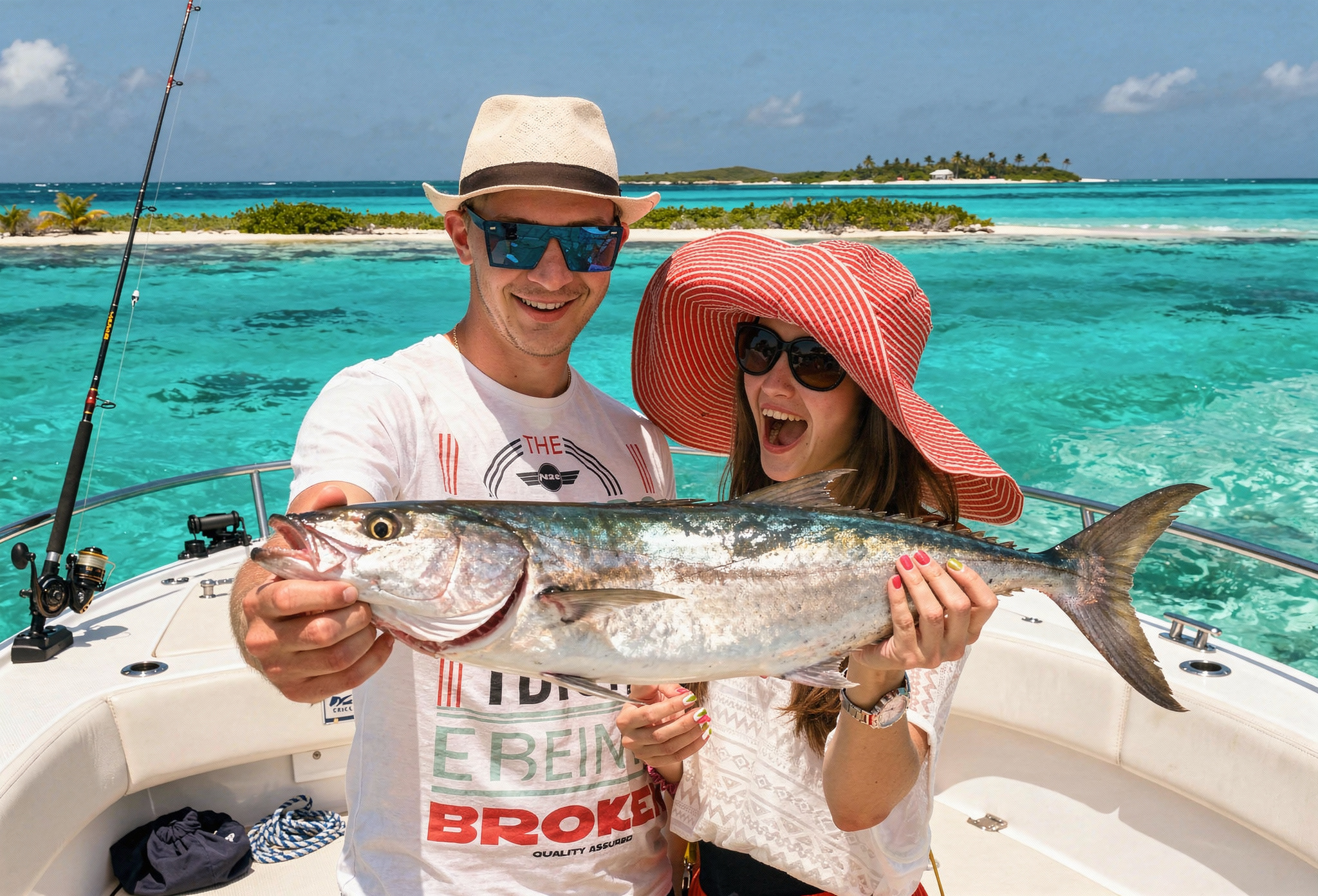
In addition to specific species listed above, Turks and Caicos waters are rich with pelagic fish — ocean-dwelling predators that include mackerel, barracuda, sailfish, and other schooling species that may cross paths during your trip. Pelagic fishing often involves trolling multiple lines at varying depths and speeds to tease strikes from fast-moving fish that inhabit the blue waters beyond the reef.
🎣 What to Expect on a Silver Deep Fishing Trip
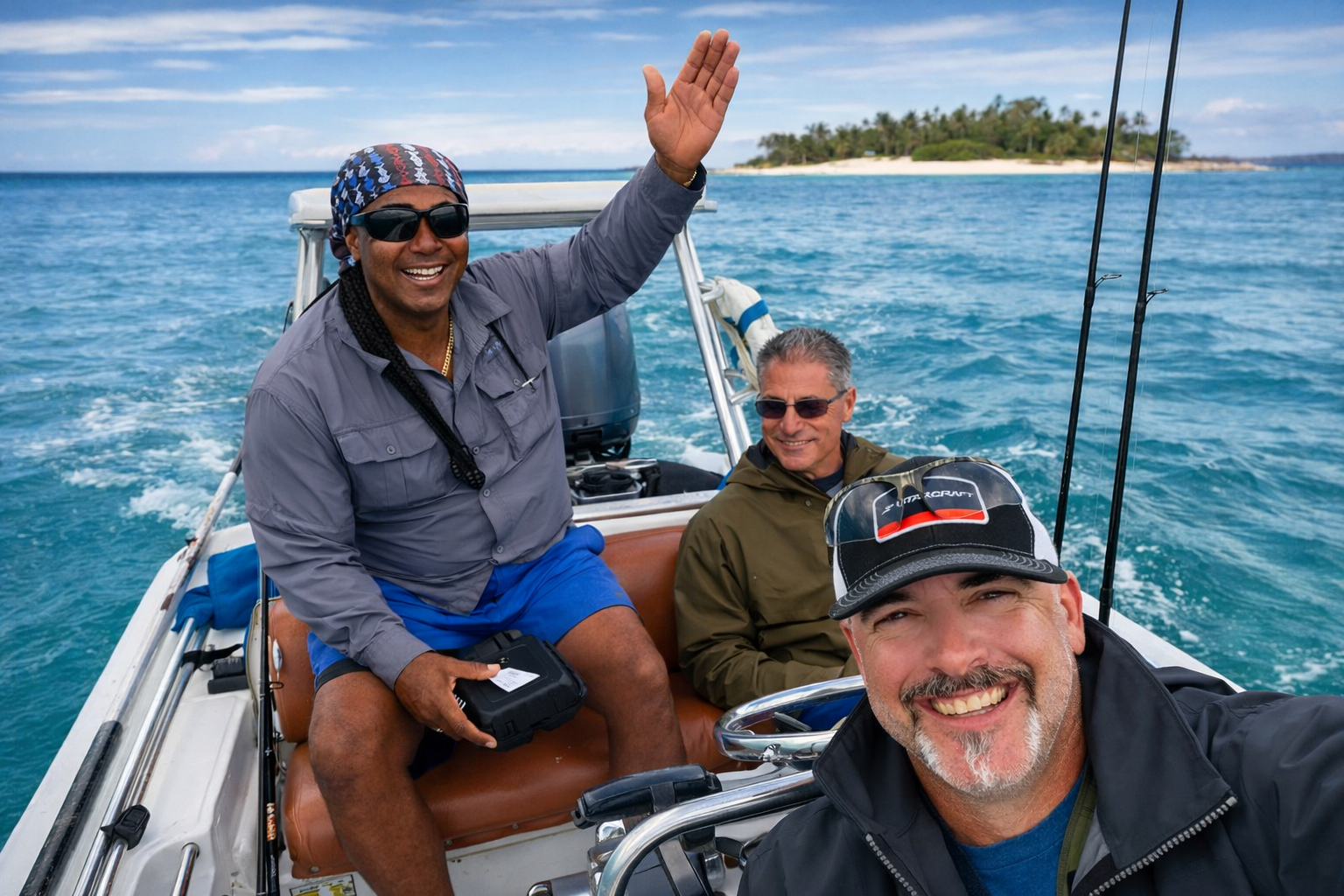
Silver Deep Fishing charters are designed to give anglers of all experience levels a memorable day on the water. You’ll be guided by knowledgeable captains who know the local currents, seasonal patterns, and the best techniques for hooking the fish of your dreams.
📌 Seasons Matter
- January–April: Prime wahoo season
- February–July: Excellent mahi-mahi and tuna action
- April–July: Snapper opportunities peak
- July–November: Best time to target marlin and other billfish
📌 Techniques You’ll Try
- Trolling offshore for big game fish
- Bottom fishing over reefs for snapper and reef species
- Live baiting for stronger, fight-ready fish
- Sight fishing around floating debris and bait schools
📌 Fun for All Skill Levels
Whether you’re a novice or seasoned angler, Silver Deep Fishing crews are there to help with gear, bait selection, fight strategy, and even cleaning your catch so you can take home fresh fish or have it prepared at a local restaurant.
🏆 Final Thoughts
Turks and Caicos deliver spectacular fishing opportunities from deep-sea game fish to reef targets, making Silver Deep Fishing charters a perfect choice for anglers seeking adventure and bragging rights. From the blazing speed of wahoo to the dazzling colors of mahi-mahi, the strength of tuna, and the raw power of marlin, every outing is an opportunity to create unforgettable memories on the water.
Don’t just dream of the perfect catch — book your trip with Silver Deep Fishing and experience the thrill of fishing in one of the Caribbean’s most productive marine environments!